


The United Nations (UN) has passed a warning that terrorist groups operating in northern Nigeria and across West Africa and the Sahel are increasingly making use of drones, sophisticated communications technology, and cryptocurrencies in their operations.
The warning was contained in a briefing to the UN security council by Leonardo Simão, special representative of the secretary-general for West Africa and the Sahel, and head of the United Nations Office for West Africa and the Sahel (UNOWAS).
Simão outlined the secretary-general’s latest report on developments in the region, covering the period between November 29, 2025, and June 30, 2026.
The briefing happened as the security council reviewed the political, security and humanitarian situation in West Africa and the Sahel.
Simão said terrorist groups are rapidly evolving and becoming more difficult to contain.
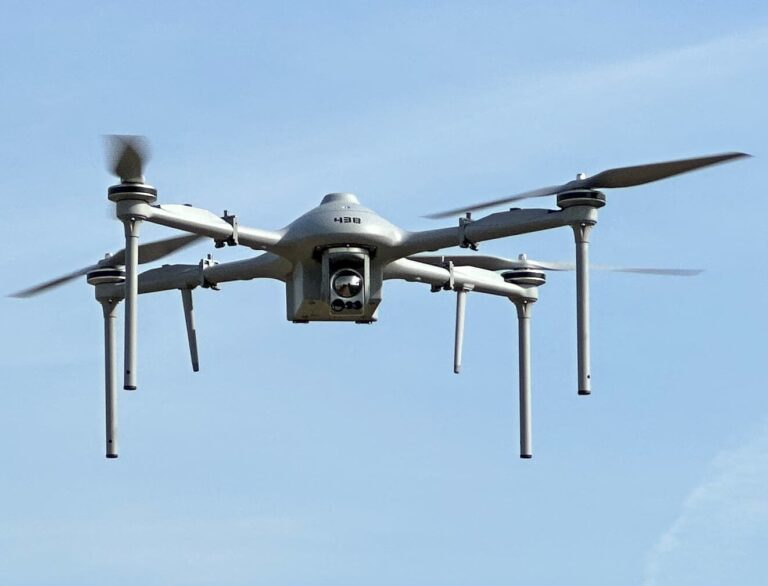
“Armed groups are increasingly using drones, sophisticated communications and cryptocurrencies while coordinating operations across borders.
“The problem is acute, especially in the central Sahel and northern Nigeria,” he said.
“Their actions intersect with transnational organised crime, and are aimed at consolidating territorial and economic control, erosion of public confidence in state authority, with serious damage to social cohesion.”
The official of the UN said Nigeria, Niger and Burkina Faso continue to be plagued by terrorist attacks, kidnappings and significant civilian casualties.
He noted that around 6.8 million persons have been displaced across the region, while another 1.28 million people have turned to refugees or asylum seekers.
Simão said women, children and young people continue to bear the greatest burden of the humanitarian crisis because insecurity and funding shortfalls have limited humanitarian access.
Despite the worsening security situation, Simão cited renewed regional cooperation, including the reopening of the Kamba border crossing between Nigeria and Niger.
“These are some examples of regional efforts towards dialogue,” he said.
Simão said that military operations alone would not take out terrorism and appealed to governments to address the socio-economic factors driving violent extremism.
“Fighting poverty and vulnerability must therefore remain a common objective in the broader fight against terrorism. Regional actors are working hard to find solutions,” he said.