


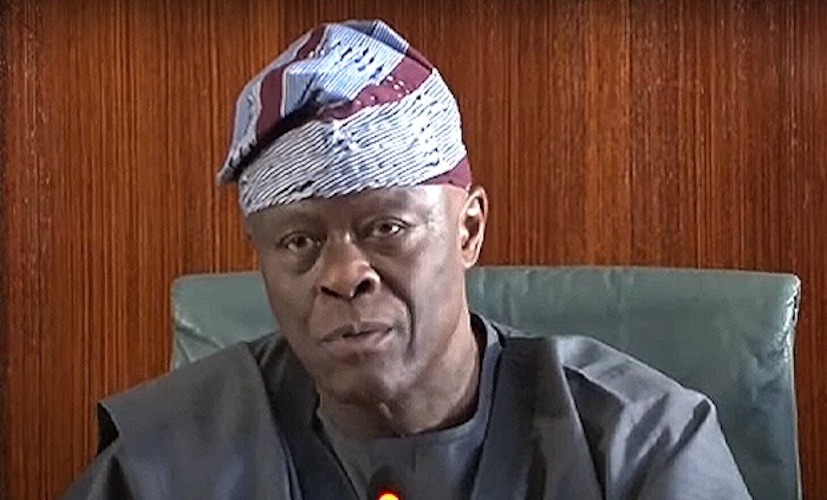
Minister of Finance, Wale Edun, has said the Federal Government will not intervene to regulate petrol prices, as escalating geopolitical tensions in the Middle East continue to create volatility in global oil markets.
Edun, who spoke in an interview with Channels Television on Wednesday, said the federal government plans to introduce other initiatives to cushion the impact of the war involving United States (US), Israel, and Iran.
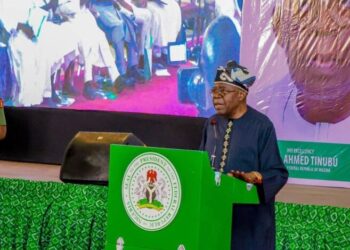
The minister said in response to the global developments, President Bola Tinubu already announced the provision of 100,000 additional compressed natural gas (CNG) conversion kits to help vehicles switch to CNG fuel, which costs about 25 to 30 percent of the price of petrol.
He said the government would pursue similar initiatives “rather than interfering with an orderly market pricing”.
“When there is market failure is where the regulator steps in. But in terms of balancing pricing, what we are looking to do is to manage the disruption and we don’t know how permanent or temporary it could be,” Edun said.
“But in the meantime, rather than reverting back and taking backward steps, we’ll look at every other measure that we have that can help the cost of living of Nigerians.”
The Middle East conflict has triggered significant volatility in global markets as crude oil prices crossed a $100 per barrel on March 9 — the highest level since July 2022 — before easing to $87 the following day.
On March 11, the finance ministry said the war in the Middle East may affect Nigeria’s crude oil and gas prices, capital flows in financial markets, as well as global logistics and supply costs.
Following the spike in crude oil and ex-gantry petrol prices, retail stations’ pump prices have skyrocketed, resulting in transport fares doubling on some major routes in Nigeria.
Edun said the petrol price adjustments by private sector operators, particularly Dangote refinery, reflect prevailing market conditions.