


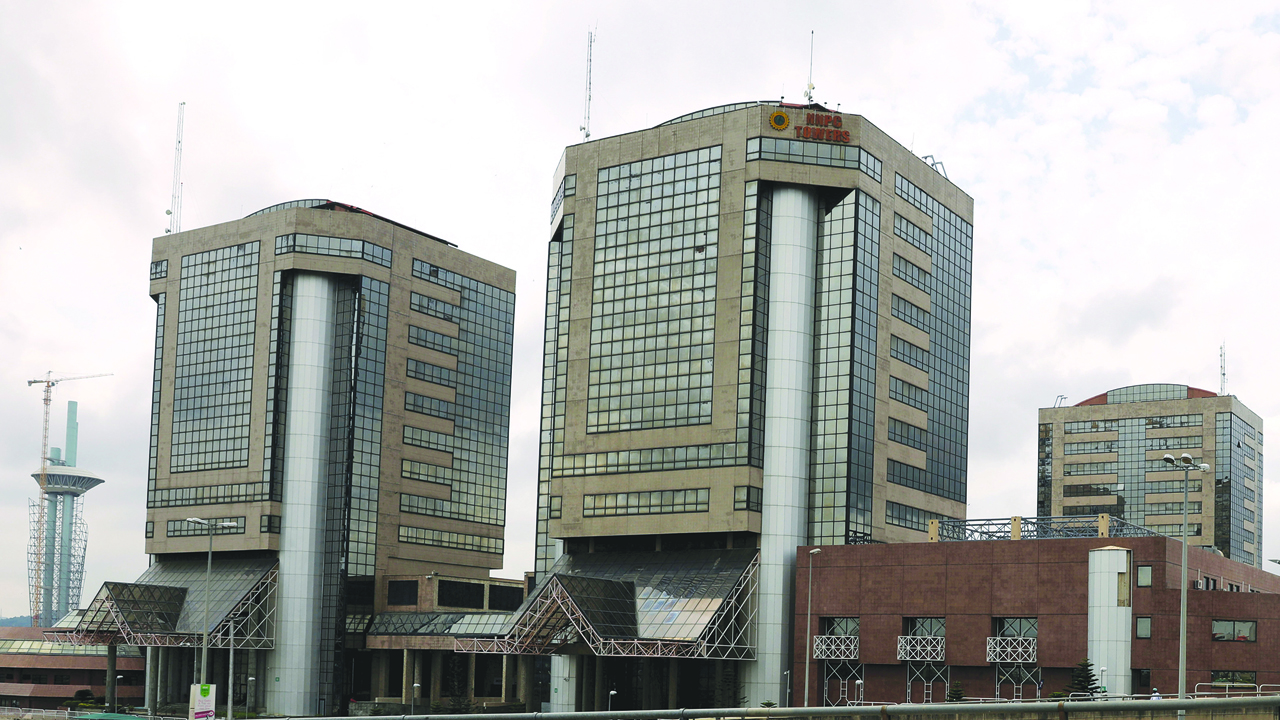
The Society of Energy Editors (SEE) has said that he has observed with grave concern the unfolding revelations regarding the financial practices of the Nigerian National Petroleum Company Limited (NNPCL), particularly the outlandish ₦210 trillion discrepancy discovered in the company’s audited accounts for the years 2017 to 2023.
The Society of Energy Editors (SEE) has also thrown its weight behind President Bola Ahmed Tinubu’s recent crackdown on revenue leakage through the instrumentality of Executive Order 9.
In a statement released on Friday, the SEE described the financial revelations surrounding the Nigerian National Petroleum Company Limited (NNPCL) as proof that previous managements “took Nigerians for granted, spending money with a reckless disregard for due process.”
At the heart of the matter lies a staggering ₦210 trillion discrepancy in NNPCL’s audited accounts between 2017 and 2023—a sum that dwarfs the national budget and has sparked outrage across the legislative and public spheres.
The Editor hailed the presidency for signing Executive Order No. 9 (2026) on February 13, which mandates that all petroleum revenues royalties, taxes, and profit oil be remitted directly to the Federation Account. The order effectively overrides previous retention practices allowed under the Petroleum Industry Act (PIA) 2021, specifically suspending the controversial 30% management fee and the 30% frontier exploration fund deductions previously collected by NNPCL.
“This intervention… is a bold and necessary step to stem the tide of revenue leakage,” the statement read. “For too long, intermediate retentions have obscured the true earnings of the nation.”
However, the Energy Editor was unequivocal in its demand that the praise for future safeguards does not become a smoke screen for past sins. They zeroed in on the specific deductions under the PIA, calling them “simply mind-bending.”
The Senate Public Accounts Committee has already flagged a labyrinth of financial opacity, including:
“We demand that the forensic audit establish, in clear monetary terms, exactly how much was deducted as the 30% management fee and the 30% frontier exploration fund,” the SEE demanded.
“What was this money applied to? Where are the projects, the assets, or the value generated from these colossal sums?”
While the Executive Order serves as a shield to protect future revenue, the Editors insisted that the forensic audit ordered by the Auditor-General for the Federation must act as the “sword that cuts through the rot of the past.”
The summoning of former NNPCL Group CEO Mele Kyari, former CFO Umar Ajiya, and others by the Senate was described as important, but the SEE warned against it becoming a “ceremonial exercise.”
Joining the Senate’s call for a refund of all unaccounted production costs charged against crude oil revenue, the Energy Editors backed the legislative 21-day ultimatum, noting that, “There can be no more extensions, no more sacred cows.”
As Nigeria stands on the cusp of energy transition and economic recovery, the Society of Energy Editors has placed itself as a watchdog, making sure that the current administration’s transparency drive does not end at mere press release, but follows the money trail to its final destination.
“Nigerians deserve to know where their money went,” the statement concluded. “We will not rest until… those responsible for this ‘mind-bending’ mismanagement are held accountable.”